
Holy stacked cast, Batman! It’s like every character actor of the 60s got invited to a really boring party that someone forgot to tell them was being filmed.
You would think a dark Comedy about an English poet dealing with the funeral industry would be right up my alley. However, Despite a few jokes that land really well, this movie is rather boring.
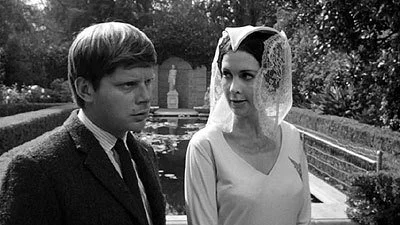
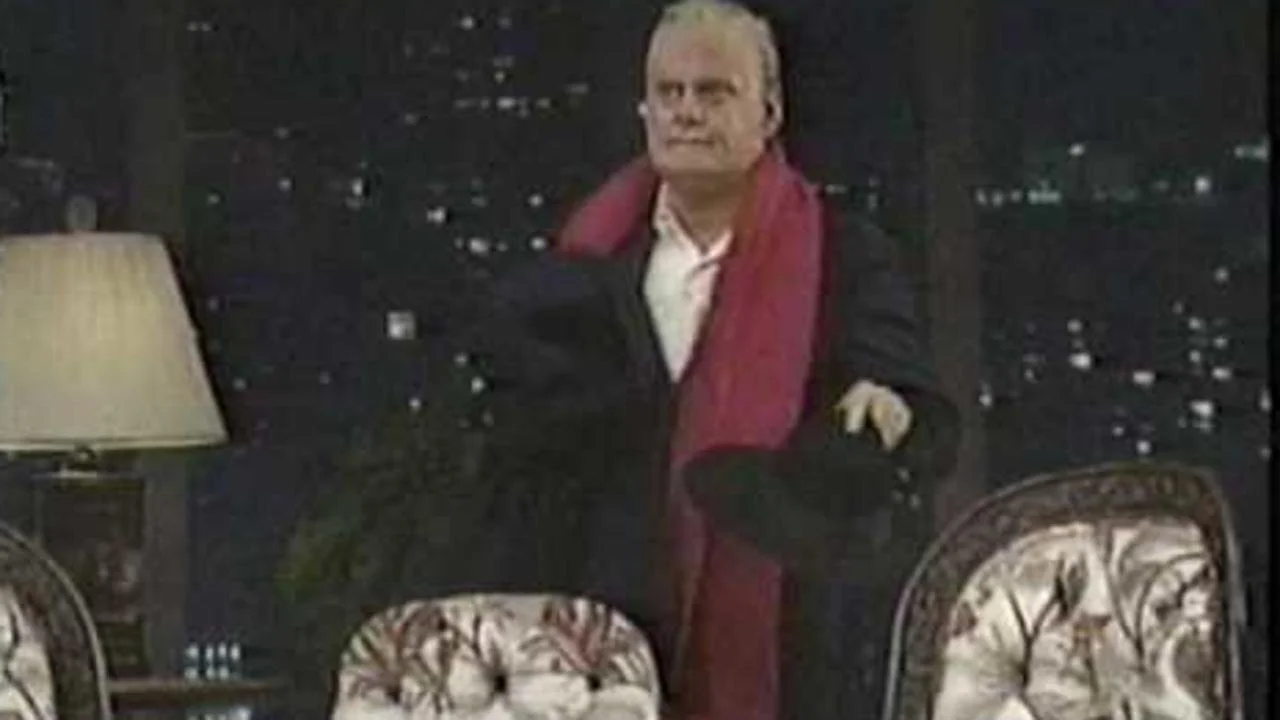
Robert Morse can’t keep his English accent as he plays Dennis, a poet who comes to Los Angeles on a whim and stays with his uncle, Sir Francis (John Gielgud). His vacation is put on hold when his uncle commits suicide after being fired from a Hollywood studio. The rest of the movie is about how Dennis is dealing with the cult-like funeral home and cemetery where his uncle wishes to be buried. Dennis starts working at the funeral home’s side gig pet cemetery and hoping to get closer to one of the employees, Aimee (Anjanette Comer). Jonathan Winters plays double duty as the Reverend running the funeral home and his less spiritual twin brother. Also, in the cast are Rod Steiger, Dana Andrews, Milton Berle, James Coburn, Tab Hunter, Roddy McDowall, Barbara Nichols, Robert Morley, and baby Paul Williams.
I’m not going to go into the plot, which I understand is loosely based on an Evelyn Waughn book. Dennis’s writing career is really more of a joke in the movie than anything else. He constructs a eulogy for his uncle that the Reverend reads out loud and is really more about the decay of the body than the loss of a soul. He quotes other poets more than he does his own writing. Aimee says that Dennis is very creative and thinks being a poet must be “wonderful”. “It would be marvelous to work as a poet,” she declares, referring to her job as a make-up artist to the dead. He tries to use his poetry in order to get into her pants. He suggests that they marry and she can support him while he writes. For some reason, this proposal does not win her over.
Quisque iaculis facilisis lacinia. Mauris euismod pellentesque tellus sit amet mollis.