
This is a short one - like this movie.
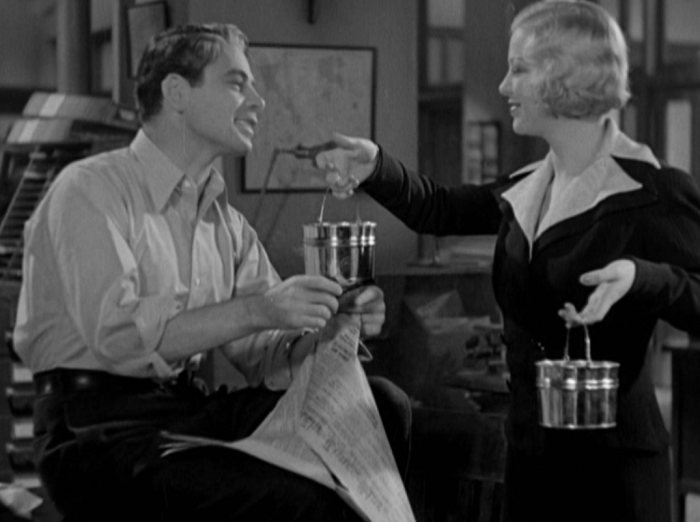
Brad (Paul Muni) is a newspaper editor attempting to solve a disappearance and theft. Do police not actually solve crimes in the 1930s? They just leave it up to newspaper reporters?Anyway, I don’t want to talk about that. I want to talk about the movie’s title and the world of Great Depression era journalism according to the movies.
“Hi Nellie” is a reference to the paper’s heart throb column run by Nellie Nelson. However, there is no Nellie. At the beginning of the film, Glenda Farrell’s character, a former ace reporter named Gerry, is acting as Nellie. By the time Brad is starting to investigate the main plot line, he becomes Nellie. Being Nellie is a punishment for not getting the big scoop or wasting the paper’s time.The rest of the staff is pretty much encouraged to give the current “Nellie” as much crap as possible. Gerry is thrilled when she no longer has to read the woes of women seeking relationship advice. When Brad has the assignment, he tries to get himself fired using the column, only to accidentally make it a hit. And in making Nellie successful, he stumbles onto a clue to the mystery that got him demoted.
I just think this entire dynamic is hilarious. The paper seemed to only keep the heart throb column as a punishment. No one who considers themselves a legitimate reporter wants to “deal with” given out a advice. Plus, according to these movies, it’s their job to solve murders. Who has time to read about break-ups when you’re protecting your city one dramatized article at a time?
Quisque iaculis facilisis lacinia. Mauris euismod pellentesque tellus sit amet mollis.