Come Live with Me: Movies about Writing

Let’s look at some scandalous behavior - 1941 style.

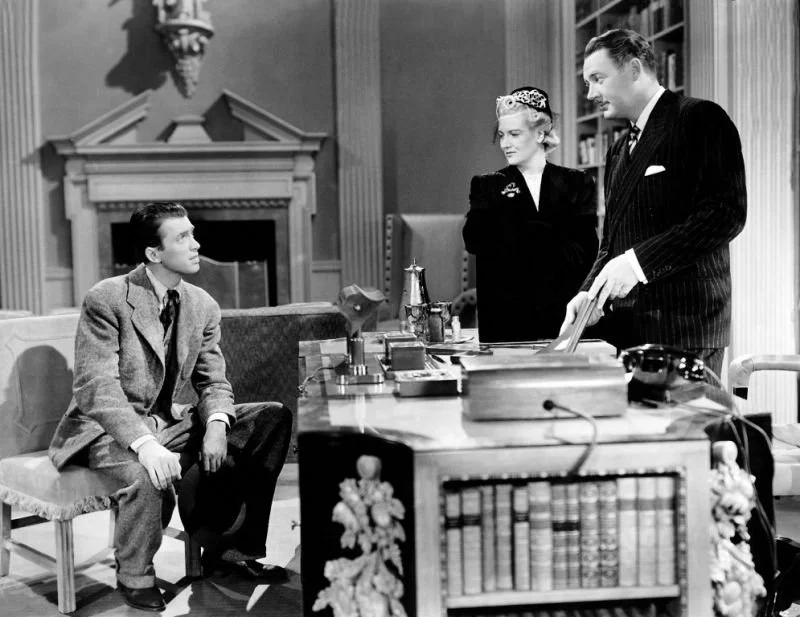
Johnny Jones (Heddy Lamarr) is an immigrant escaping Nazi occupied Austria. Barton Kendrick (Ian Hunter), her publisher boyfriend, is desperate to keep her in America, however he’s already married (gasp). By the way, how did this woman escape from Vienna DURING World War II. The real Heddy Lamarr got out before the war broke out. Johnny meets a broke writer, Bill Smith (Jimmy Stewart) and pays him to marry her so she can stay in the country. The exact amount is the bare minimum of his living and typewriter expenses and Bill plans on paying her back when the whole thing is over.

The arrangement is that once a week they meet up for her to pay him and he knows nothing else about her. Bill is instantly intrigued by their situation and starts typing it into a novel. Bill sends a carbon copy to every publisher in the city in a scene of him with pushing large packages into a mailbox. It looked exhausting.

Bart learns about this situation when his wife, Diana (Verree Teasdale - how’s that for a name) reviews Bill’s book for the publishing company. She gives him the summary, explaining how implausible it is and still needs an ending. Still, she’s confident that Bill’s writing is so strong that the book will sell.

Bart recognized the scenario and calls in Bill asking him where he got the idea of the story and why the character of the “other man” (who is Bart in reality) is not as well written. Bill states that the character is giving him a lot of trouble and hopes to write him out by the end of the novel. Bart debates the ending with Bill in front of Diana and gives away his affair. Diana also forces Bart to give Bill an $500 advance on his book. $500! Holy crap! Diana, I know you are realizing that you want Bill to get the girl so your husband doesn’t, but I still salute you.

Bart’s wife is really a key in his publishing business as she has more insight into public trends and what would ruin him. That having been said, he still cheats on her and is under the delusion that he’s successful on his own. Bill on the other hand has gifted kid syndrome. He’d been told he was a genius and feels like he has nothing to show for it. When he's working out the novel, he outlines each chapter with the questions he’d like to ask Johnny about her life. Realistically, Bill is working in his pajamas. I am currently doing the same. Respect, Bill. Respect.

My favorite scene is when the milkman asks Bill how the book is going. He told his wife the plot and she’s excited to read it, stating it will only be really good if the couple end up together. Bill admits that his characters aren’t together.

“What’s keepin em?” the milkman demands.

“The girl.” Bill states this after writing all night.

“Well, you’re never going to get no place if you let her act like that!”
SPOILERS

Bill refuses to to divorce Johnny unless she comes on a trip with him. He uses the $500 advancement to take her to meet his grandmother and see where he grew up. She calls Bart to complain about being coerced into the trip so he can come rescue her. Of course, by the time Bart shows up, Johnny is having a good time and falling for her husband. Bill tells her that writing about her is why he’s successful now because he needed to write about his real feelings. Naturally, Bart shows up just as Johnny decides she wants to stay married to Bill. There a brief moment where Bill worries that his new writing success is not based on his own merit, but Bart admits that Diane said it was good and he always trusts her. It’s a good thing he goes back to his wife at the end or he wouldn’t have a publishing house any longer.
The Ghost and Mrs. Muir: Movies about Writing

Time for a movie about creative collaboration! Except that this one is about a writing project between a recently deceased sea captain and a Edwardian widow.

First, The Ghost and Mrs. Muir is a part of a film education by my mom from a young age. I highly recommend it if you like character studies and unusual ideas of love. Gene Tierney plays Lucy Muir, a woman who feels suffocated by the family of her late husband. In a bid for independence, she uses money from a mine her husband invested in and moves into a seaside cottage with her maid and daughter (played by Edna Best and Natalie Wood respectively). Before even renting the house, Mrs. Muir discovers that it’s haunted by the previous owner, Captain Daniel Gregg (Rex Harrison), who has made it his afterlife’s mission to scare people away from his home. He’s bitter that his accidental death by gas was ruled as a suicide and wants to keep his swarthy, uncouth ways even with women in the house (there’s a lot of argument about the language he uses).

Instead of being frightened, Lucy finds her new living arrangements fascinating and calls out the ghost in an attempt to reason with him. Captain Gregg is equally fascinated by her quick responses and the demands she makes of him - a spirit. Their shared love of the house also allows them to start understanding each other, although Lucy still demands that the Captain not allow himself to be seen by her daughter Anna (by the end of the movie you find out that he broke that promise constantly in order to tell Anna marine-time stories at bedtime).

Before I go on with this and get to the part of the movie about books, writing, and publishing, I want to point out something strange to me. Several years ago a company reprinted the book by R.A. Dick which was the basis for the film. Naturally, I read it. And I did not like it! This very rarely happens that the movie was better but- Holy crap! THE MOVIE WAS BETTER! In the movie, Lucy craves independence and could survive on her own and the captain fosters that within her. At the same time, she very logical about her life. She loves her daughter and mourns her husband who was a good man, although she never really loved him, and wants her life to be on her own terms even with a ghost in the house. The book had this as a main idea at first, but as it kept going, she was constantly fighting with her son (a character left out of the film), almost abandons her life for a man she barely knows, and goes back to being passive about most decisions she makes. I did not like Lucy in the book, where as in the movie she was someone I admired as little girl. The movie was better. So there.

unnamed.jpg

Back to the plot! Lucy finds out that her investment is no longer paying out and is likely the lose the house. Captain Gregg, deciding he wants her to stay, declares that they will write a book together based on his life experiences. His confident that his time at sea was sensational enough to become a bestseller and supplement Lucy’s income.

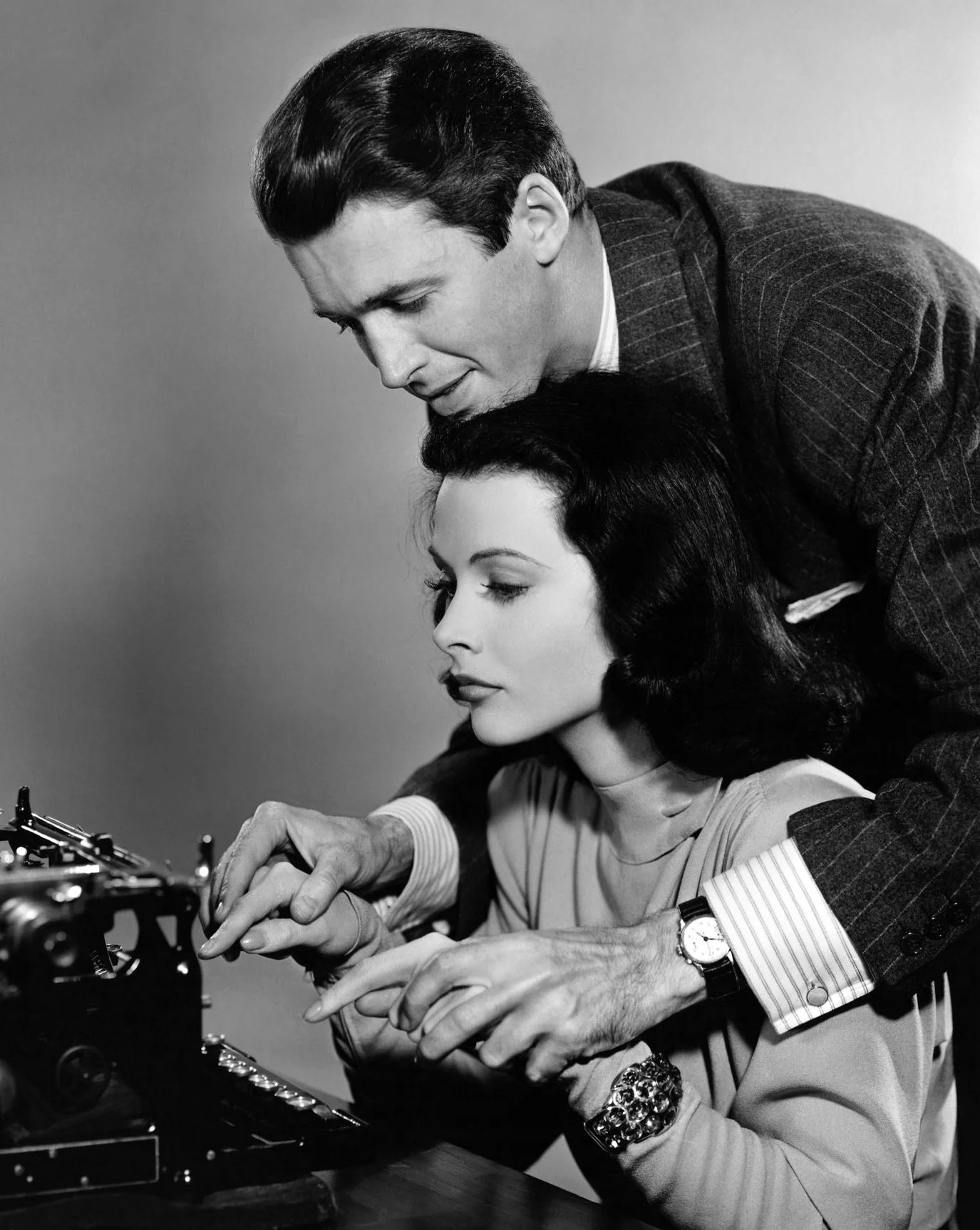
Their collaboration on the book is what I want to discuss first. It involves a great deal of the captain dictating while Lucy (whom he calls Lucia) types and gives criticism. This involves her having to use language she disapproves of (a mysterious 4 letter word that she declares conveys a meaning that she has never had to use a word for). Each time he gives an action, she will ask him questions, beta reading as they go.

Most collaborations involve both parties creating, but since she is essentially the ghost writer for the ghost Lucy is in the role of editor. Her comments and questions help keep him on track and make the story of his “unvarnished life” clear to a reader who has never met him (and never will since he’s dead and all). He tells her to “change the grammar all you please, but leave the guts”.

Writing and editing as you go is hard, but it’s but easier when there is another person in the room. The only problem with this is that when it’s time to argue about plot or sentence structure you are right there in it. You can’t take some breathing room. The difference her is that two fictional characters are falling in love as they write a book together and learning about each other. Most people who agree to collaborate on something already know one another and have an idea of each person’s styles and preferences. And even then collaborators argue. The movie make this whole process seem so nice and full of friendly banter. It’s the only “creation” they can have together and therefore the writing process is romantic endeavor. I have never found the writing process particularly romantic. More hair pulling. But, hey Hollywood. You do you.

Lucy takes the book to a publisher who refuses to see her, believing she has written a cookbook or something equally “feminine”. Enter the rake! George Sanders shows up as a children’s book author named Miles Fairley. He helps her get in the door as a way to flirt. Of course, when the publisher at last reads the manuscript Blood and Swash, he is instantly taken with it and reads it all in one sitting (because that’s realistic). He still doesn’t believe she wrote the book and Mrs. Muir doesn’t correct him and they credit it to the pseudonym Captain X.

This idea that women or people of specific backgrounds only write one genre is still around today. Most people expect a book written by a woman to be romantic which is why so many fantasy and science fiction writers use pen names that are male or simply made up initials.

Even Mrs. Muir thinks she must have dreamed the book when she questions her own sanity about the captain’s ghost. For how could a good Edwardian lady ever write anything so scandalous!